Modern Flooring Trends: Choosing the Right Tiles for Your Home
Discover the latest flooring trends, explore different types of tiles, and learn how to choose durable, stylish, and energy-efficient flooring for your home or commercial property.
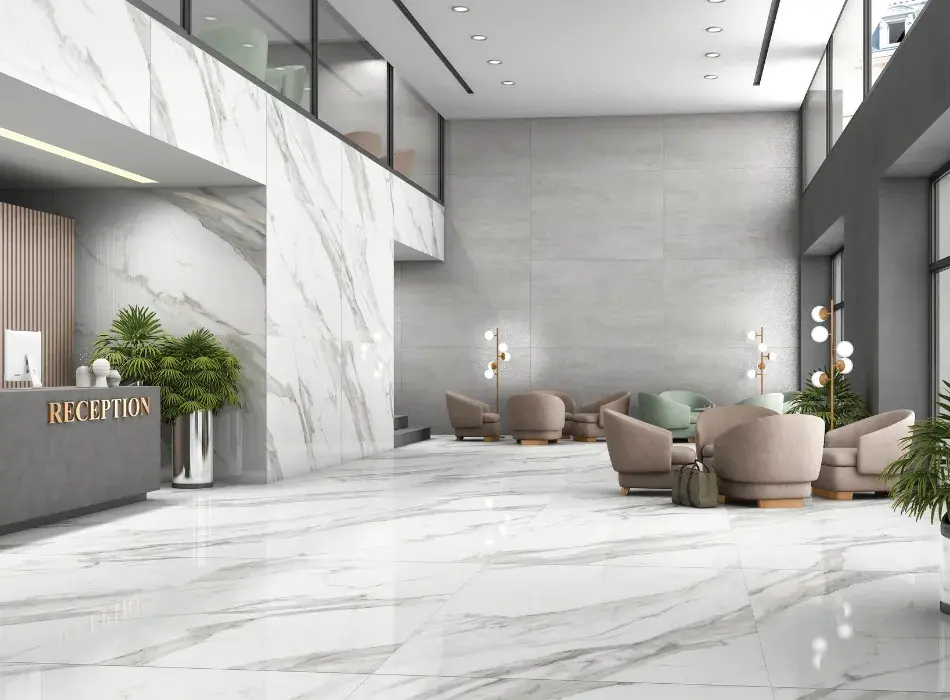
1. Choosing the Right Type of Tiles
Different spaces require different flooring materials. Understanding the characteristics of each type can help you make an informed decision.
Ceramic Tiles: Ceramic tiles are a popular choice for kitchens, bathrooms, and living areas. They are available in numerous colours, patterns, and finishes, making them suitable for a variety of interior styles.
Porcelain Tiles: Porcelain tiles are known for their density, durability, and low water absorption. They are suitable for high-traffic areas and can also be used in many outdoor applications when the correct tile specification is selected.
Natural Stone Tiles: Materials such as marble and granite provide a premium appearance. However, some natural stones require sealing and regular maintenance to preserve their finish.
Wood-Look Tiles: These tiles replicate the appearance of wooden flooring while offering the durability and easier maintenance associated with tile surfaces.
2. The Importance of Professional Tile Installation
Even high-quality tiles may not perform well if they are installed incorrectly. Proper surface preparation, accurate measurements, suitable adhesives, and consistent grout spacing are essential for a long-lasting finish.
Before installation, the subfloor should be checked for unevenness, moisture, and structural movement. The adhesive and grout should be selected according to the tile material and the conditions of the installation area.
Professional installation can help reduce common problems such as uneven surfaces, cracked tiles, water seepage, and loose flooring.
3. Underfloor Heating and Modern Construction
Underfloor heating is a modern solution that provides warmth through heating elements or pipes installed beneath the floor surface. It is commonly used in colder climates and can offer an alternative to conventional radiators.
There are two main types of underfloor heating systems:
Electric underfloor heating: Uses electrical heating cables or mats beneath compatible flooring materials.
Water-based underfloor heating: Circulates warm water through pipes installed within the floor structure.
Tiles and natural stone generally transfer heat efficiently, making them suitable flooring options for many underfloor heating systems. However, the complete flooring assembly, adhesive, grout, insulation, and heating system must be compatible.
In warmer climates, including most parts of India, underfloor heating is usually a specialised application rather than a standard residential requirement. Proper design and professional assessment are essential before installation.
4. Waterproofing and Bathroom Flooring
Bathrooms, balconies, terraces, and other moisture-prone spaces require careful material selection and installation.
Waterproofing should be completed using a suitable system before tiles are installed. Correct floor slopes, drainage placement, sealed joints, and appropriate grout help reduce the risk of water-related damage.
For bathroom floors, select tiles with suitable slip resistance for wet conditions. Glossy tiles may look attractive on walls, but they are not always the best choice for frequently wet floors.
5. Flooring Trends in Modern Real Estate
Contemporary residential and commercial projects increasingly focus on materials that balance appearance, functionality, and long-term value.
Some popular design choices include:
Large-format tiles for a spacious, seamless appearance.
Neutral colours such as beige, grey, and warm white.
Textured finishes that add visual depth.
Wood-effect flooring for a natural interior aesthetic.
Durable, easy-to-maintain surfaces for rental and commercial properties.
The best option depends on the property's intended use, budget, local climate, and maintenance requirements.
6. How to Select Flooring for Your Project
Before choosing tiles for a construction or renovation project, consider the following factors:
Location: Determine whether the tiles will be used indoors, outdoors, or in wet areas.
Durability: Consider foot traffic, furniture loads, and expected usage.
Slip resistance: Select a suitable finish for bathrooms, balconies, and other potentially slippery areas.
Maintenance: Understand the cleaning and sealing requirements of the material.
Installation costs: Include the cost of adhesives, grout, waterproofing, labour, and wastage.
Long-term value: Balance the initial investment against durability and maintenance costs.
Conclusion
Choosing the right flooring is an important part of creating a functional, attractive, and durable property. From porcelain tiles and natural stone to specialised underfloor heating systems, the right combination of materials and professional installation can improve the comfort and performance of a building.
Whether you are planning a new construction project or renovating an existing property, careful planning and quality workmanship will help ensure that your flooring meets your design expectations and practical needs for years to come.